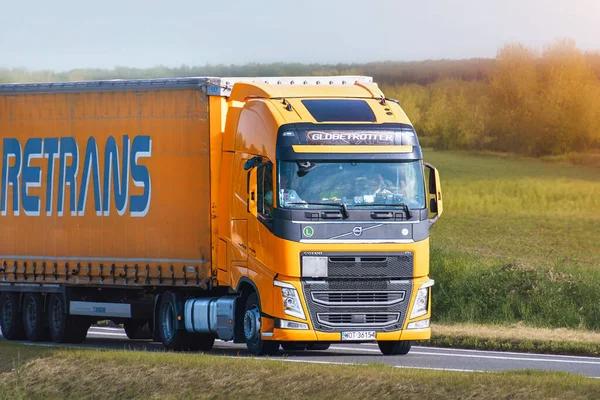
The trucking industry has experienced significant advancements in recent years, driven by innovations aimed at enhancing transportation efficiency. These developments have transformed how goods move across regions, reducing costs and improving delivery times. One of the most impactful changes is the integration of telematics systems. By equipping trucks with GPS tracking and real-time data analytics, fleet managers gain comprehensive insights into vehicle performance, route optimization, and fuel consumption. This technology allows for proactive maintenance scheduling and more efficient dispatching, minimizing downtime and maximizing productivity.
Another key innovation is the adoption of autonomous driving technologies. While fully self-driving trucks are still under development, semi-autonomous features such as adaptive cruise control, lane-keeping assist, and collision avoidance systems are increasingly common. These technologies enhance driver safety by reducing human error and fatigue while maintaining consistent speeds that contribute to better fuel efficiency. Additionally, autonomous platooning-where multiple trucks travel closely together using synchronized controls-has shown promise in cutting aerodynamic drag and lowering fuel usage.
Electric trucks represent a major leap toward sustainability within the sector. Advances in battery technology have made electric heavy-duty vehicles more viable for long-haul routes than ever before. Electric drivetrains offer higher energy efficiency compared to traditional diesel engines while producing zero tailpipe emissions. Although challenges like charging infrastructure remain, many seattle wa trucking companies in electric fleets to meet environmental regulations and reduce operating costs over time.
Digital freight matching platforms also play a crucial role in improving trucking service efficiency. By connecting shippers directly with available carriers through online marketplaces powered by artificial intelligence algorithms, these platforms reduce empty miles where trucks travel without cargo. Optimizing load assignments not only cuts unnecessary fuel consumption but also increases revenue opportunities for carriers by filling capacity gaps quickly.
Furthermore, advanced supply chain management software integrates seamlessly with trucking operations to provide end-to-end visibility from warehouse to delivery point. Real-time tracking updates enable customers to monitor shipments closely while allowing logistics teams to adjust plans dynamically based on traffic conditions or unexpected delays.
In summary, technological innovations such as telematics systems, semi-autonomous driving aids, electric vehicles, digital freight platforms, and integrated supply chain solutions are collectively revolutionizing trucking services worldwide. These advancements drive transportation efficiency by lowering operational costs, enhancing safety standards, promoting environmental sustainability through cleaner energy use, and increasing overall reliability within supply chains.