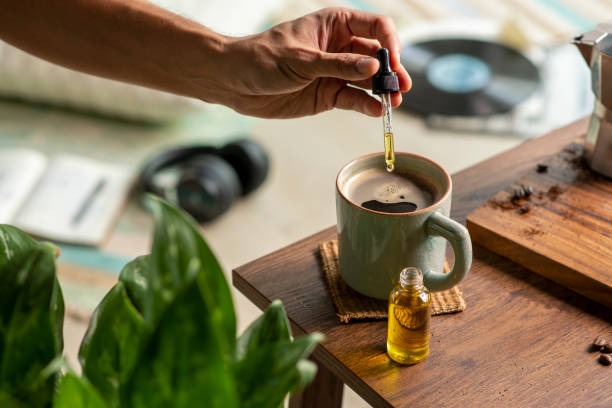
THCA flower and THC vapes are two popular forms of cannabis consumption, each offering unique effects, methods of use, and benefits. THCA, or tetrahydrocannabinolic acid, is the non-psychoactive precursor to THC found in raw cannabis plants. When heated through a process called decarboxylation-such as smoking or vaping-THCA converts into THC, the compound responsible for the psychoactive effects commonly associated with marijuana. This distinction is important because consuming raw THCA flower without heating it does not produce a high but may offer other therapeutic benefits. THCA flower refers to cannabis buds that contain high levels of THCA rather than activated 2g disposable cart THC. People often use these flowers by juicing or making tinctures to take advantage of potential anti-inflammatory and neuroprotective properties without experiencing intoxication. Some users prefer this method for medicinal purposes because it allows them to benefit from cannabinoids while avoiding impairment. On the other hand, when you smoke or vape THCA flower, heat activates the conversion to THC, leading to typical psychoactive effects such as euphoria, relaxation, altered sensory perception, and pain relief. THC vapes involve vaporizing concentrated forms of activated THC oil or distillate using a vape pen or similar device. Vaping heats the product just enough to release cannabinoids in vapor form without burning plant material. This method provides fast onset of effects since inhaled cannabinoids quickly enter the bloodstream through lung tissue. Many users appreciate vaping for its convenience and discreetness compared to traditional smoking methods like joints or pipes. The effects experienced from both THCA flower (when heated) and THC vapes generally include mood elevation, reduced anxiety in some individuals, increased appetite, pain relief, muscle relaxation, and sometimes mild sedation depending on dosage and strain type. However, individual responses can vary widely based on factors like tolerance level and metabolism. In terms of usage benefits beyond recreational enjoyment, both products have medical applications supported by ongoing research. For example, THCA has shown promise in reducing inflammation associated with conditions such as arthritis without causing intoxication when used raw or minimally heated. Activated THC delivered via vaping may help patients manage chronic pain more effectively than oral medications due to faster absorption rates. Overall, understanding how THCA converts into active THC Bubblegum Runtz helps consumers make informed choices about their preferred consumption method based on desired effects and health goals. Whether opting for raw THCA flower’s potential therapeutic uses without a high or choosing quick-acting THC vapes for immediate symptom relief combined with psychoactivity depends largely on individual needs and preferences within the diverse landscape of cannabis products available today.
THCA Flower and THC Vapes Explained Effects, Usage, and Benefits