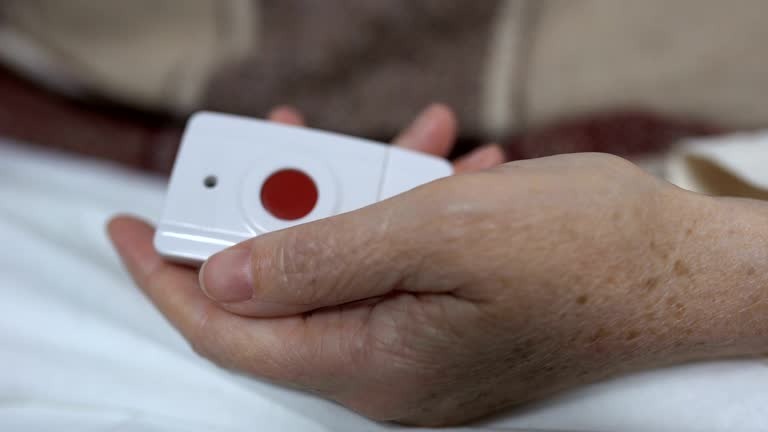
Nurse call technology has undergone significant innovation in recent years, transforming the way healthcare facilities manage patient communication and care delivery. These technological advancements aim to improve response times, enhance patient safety, and streamline workflow for nurses and medical staff. The integration of modern communication systems with advanced software solutions marks a new era of healthcare efficiency and patient-centered care.
One of the key developments in nurse call systems is the shift from traditional wired setups to wireless and IP-based solutions. Wireless nurse call devices offer greater flexibility and mobility, allowing healthcare workers to receive alerts on mobile devices such as smartphones or smartwatches. This mobility ensures that nurses can respond promptly to patient needs regardless of their location within the facility. IP-based systems also facilitate seamless integration with hospital IT infrastructure, enabling real-time data exchange and improved monitoring.
Another innovative feature is the incorporation of advanced analytics and reporting tools. Modern nurse call systems collect detailed data on call volumes, response times, and staff performance. By analyzing this data, healthcare administrators can identify bottlenecks, optimize staffing levels, and implement targeted training programs. This data-driven approach leads to higher operational efficiency and better patient outcomes.
The integration of nurse call technology with other healthcare systems has also seen substantial progress. For instance, linking nurse call systems with electronic health records (EHR) allows for comprehensive patient information to be accessed when a call is initiated. This integration helps nurses prioritize calls based on patient history and urgency, improving the quality of care delivered. Moreover, interoperability with building management systems enables automated control of lighting, temperature, and other environmental factors in patient rooms, enhancing comfort and safety.
Voice-activated nurse call devices and AI-powered virtual assistants are emerging trends that further enhance communication. These technologies enable patients with limited mobility or speech difficulties to easily request assistance through simple voice commands. AI algorithms can also triage calls by urgency, ensuring critical situations receive immediate attention.
Additionally, the use of wearable technology is gaining traction in nurse call systems. Wearable devices equipped with sensors can monitor vital signs and detect falls, automatically triggering nurse call alerts when necessary. This proactive approach to patient monitoring reduces risks and supports preventative care strategies.
In summary, innovative developments in nurse call technology are reshaping healthcare environments by fostering quicker response times, enhancing patient safety, and supporting data-driven management. These advancements not only improve the efficiency of nursing staff but also contribute to a more patient-focused healthcare experience.