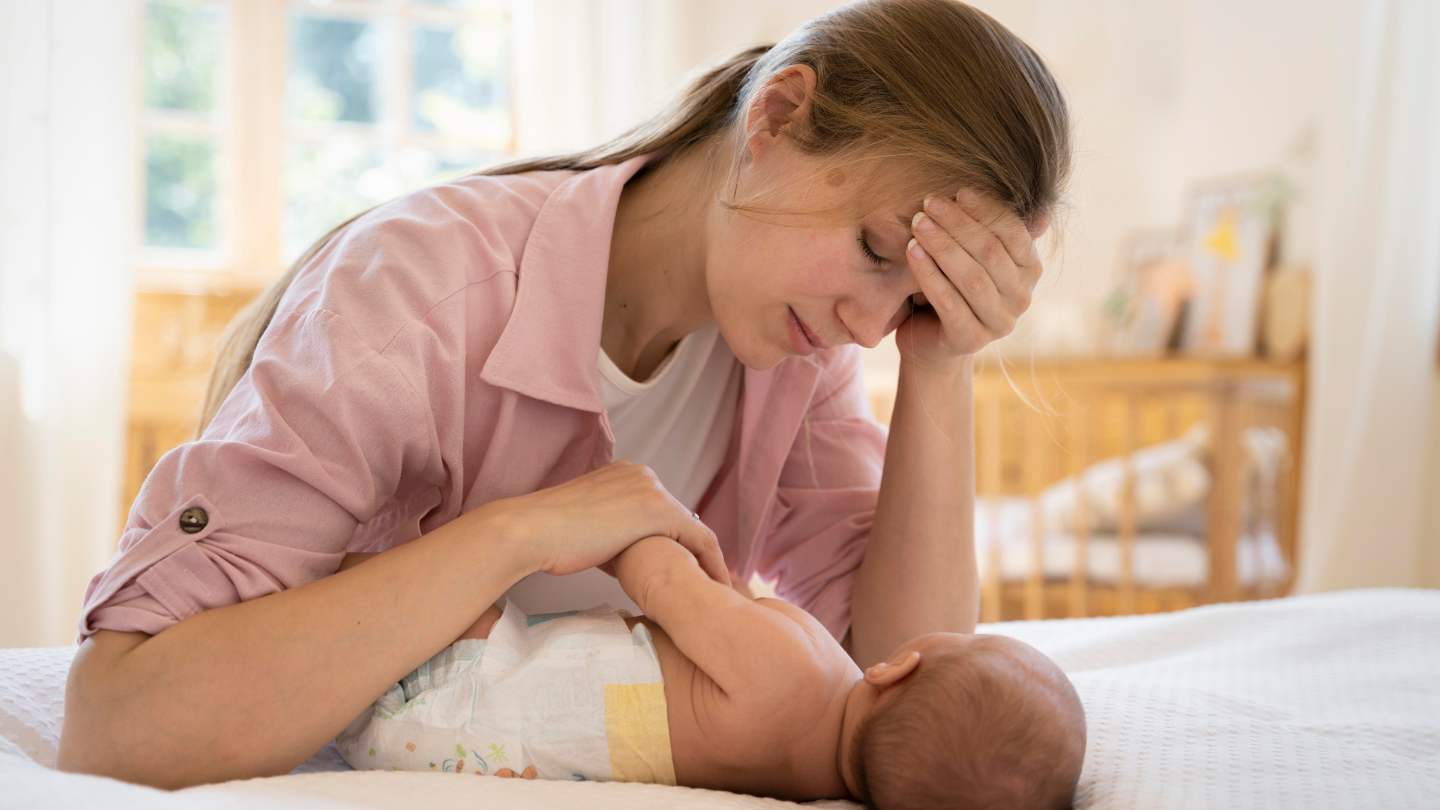
Postpartum depression (PPD) is a serious mental health condition that can affect new parents, most commonly mothers, after the birth of a child. It extends beyond the typical “baby blues” and can significantly impact one’s ability to care for themselves and their newborn. Recognizing early warning signs is crucial for timely intervention and support.
One of the primary indicators of PPD is persistent sadness or low mood. While it’s normal for new parents to experience mood fluctuations due to hormonal changes and sleep deprivation, prolonged feelings of sadness, hopelessness, or emptiness may suggest something more concerning. This emotional state often leads to crying spells without an apparent reason.
Another sign is a loss of interest in activities that were once enjoyable. New parents might find themselves withdrawing from social interactions or losing enthusiasm for hobbies they previously cherished. This withdrawal can exacerbate feelings of isolation during what is already a challenging adjustment period.
Excessive fatigue or lack of energy also signals PPD. Although caring for a newborn naturally involves sleepless nights, PPD-related exhaustion goes beyond physical tiredness; it feels insurmountable even with adequate rest. Parents experiencing this symptom might struggle with daily tasks and feel overwhelmed by responsibilities.
Anxiety and irritability are additional red flags. Some Postpartum depression new parents report feeling constantly on edge or excessively worried about their baby’s health and safety without justification. Such anxiety may manifest as racing thoughts or an inability to relax, leading to heightened frustration over minor issues.
Changes in appetite are another potential indicator. Some individuals may lose interest in eating altogether, while others might overeat as a form of comfort despite not being hungry physically—both scenarios resulting from emotional distress linked with PPD.
Difficulty bonding with the baby represents another critical warning sign that should not be overlooked—it’s natural initially but becomes problematic when persisting long-term post-birth phase ends usually around two weeks mark..