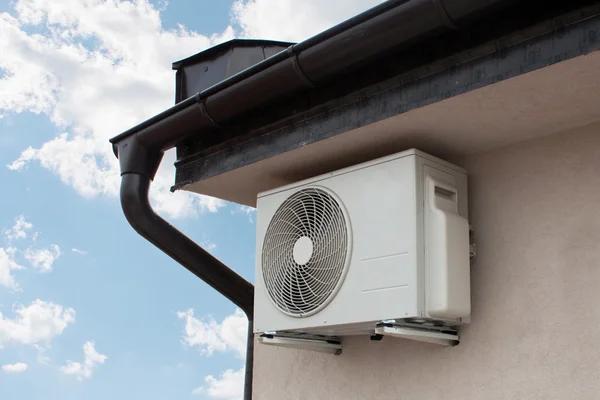
Advanced HVAC installations focus on integrating cutting-edge technology and design principles to maximize energy efficiency, comfort, and system longevity. Modern systems go beyond traditional heating, ventilation, and air conditioning setups by incorporating smart controls, variable speed components, and precise zoning capabilities that adapt to the unique needs of each space. These innovations reduce energy waste by delivering conditioned air only where and when it is needed, significantly lowering utility costs while maintaining optimal indoor environments.
One key aspect of advanced HVAC installations is the use of high-efficiency equipment designed to meet or exceed industry standards such as ENERGY STAR ratings. These units often feature variable speed compressors and fans that adjust output in real time based on demand rather than operating at full capacity continuously. This modulation reduces wear on components and prevents temperature fluctuations common with older single-speed systems. Additionally, modern heat pumps offer enhanced performance in both heating and cooling modes by utilizing advanced refrigerants and improved compressor technologies.
Another important element involves comprehensive ductwork design tailored for minimal leakage and balanced airflow distribution throughout the building. Properly sealed ducts prevent conditioned air from escaping into unoccupied spaces like attics or crawl spaces, which can otherwise lead to significant energy losses. Incorporating read more articles materials with superior insulation properties further helps maintain desired temperatures within supply lines until air reaches its destination points.
Smart thermostats play a vital role in maximizing HVAC efficiency by enabling programmable schedules based on occupancy patterns or remote access via mobile devices. These intelligent controllers learn user preferences over time while adjusting settings dynamically according to weather changes or utility rate variations during peak hours. Integration with home automation platforms allows seamless coordination between HVAC operations and other systems such as lighting or window shades for holistic energy management.
Zoning technologies divide larger areas into distinct temperature-controlled sections using motorized dampers within ductwork connected to independent thermostats per zone. This approach avoids overheating or overcooling unused rooms by directing airflow precisely where required instead of treating an entire structure uniformly. As a result, occupants experience personalized comfort levels without unnecessary energy consumption.
Incorporating renewable energy sources like solar panels alongside advanced HVAC solutions further enhances sustainability efforts by offsetting electricity demands through clean power generation onsite. Coupled with battery storage options, these setups provide resilience against grid interruptions while reducing carbon footprints substantially.
Overall, investing in advanced HVAC installations represents a strategic choice for homeowners and businesses aiming to optimize operational costs without compromising comfort quality. By leveraging technological advancements across equipment selection, system design, control strategies, and integration possibilities, these sophisticated configurations deliver measurable improvements in efficiency aligned with contemporary environmental goals.