Installing a heat pump can be a transformative decision for homeowners looking to improve energy efficiency and reduce heating and cooling costs. Before embarking on this journey, it’s essential to understand the key aspects of heat pump installation to ensure optimal performance and longevity.
Firstly, understanding what a heat pump is and how it works is crucial. Unlike traditional heating systems that generate heat, heat pumps transfer heat from one place to another. During winter, they extract warmth from the outside air or ground and move it indoors. In summer, they reverse the process, acting like an air conditioner by removing heat from your home.
Before installing a heat pump installation, consider the type that best suits your needs: air-source or ground-source (geothermal). Air-source heat pumps are more common due to their lower installation costs and ease of integration into existing ductwork systems. Ground-source pumps are more efficient but involve higher upfront costs due to excavation requirements.
Location plays a significant role in determining the efficiency of your system. For outdoor units in air-source systems, choose a spot with adequate airflow around the unit while protecting it from extreme weather conditions. Indoor components should be placed centrally within your home for even temperature distribution.
The size of the unit is another critical factor. A system that’s too small won’t adequately cool or warm your space, while one that’s too large will cycle on and off frequently, reducing efficiency and increasing wear-and-tear. Consulting with an HVAC professional can help you determine the appropriate size based on factors such as square footage, insulation quality, window types, and local climate conditions.
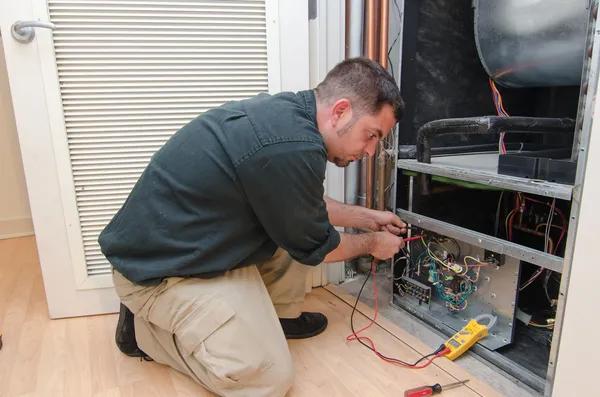
Installation should always be performed by certified professionals who have experience with these complex systems. Proper installation ensures not only peak performance but also safety; incorrect setup could lead to issues like refrigerant leaks or electrical problems.
Consider integrating smart thermostats with your new system for enhanced control over indoor temperatures through mobile devices or automated settings tailored around occupancy patterns—this leads to further energy savings without sacrificing comfort levels inside living spaces year-round!
Maintenance post-installation involves regular checks every few months: cleaning filters prevents clogs affecting airflow; inspecting ducts seals tightness avoids loss via leaks which would otherwise force units work harder than necessary thus shortening lifespan overall! Scheduling annual professional maintenance helps identify potential issues early before becoming costly repairs down line later stages ownership period itself ultimately!
In conclusion: investing time researching options available today pays dividends long-term satisfaction derived owning efficient reliable source both heating cooling needs alike—all starts choosing right model installed correctly first go-around making sure everything set up run smoothly thereafter ongoing basis thereafter!
Complete Heat and Air
1252 Old Liberty Rd, Easley, SC 29640
864-206-5354