Proper HVAC sizing is a critical factor that significantly affects both energy efficiency and indoor humidity control in residential and commercial buildings. When heating, ventilation, and air conditioning systems are sized correctly, they operate optimally, providing comfort while minimizing energy consumption and preventing excess moisture buildup. Understanding how HVAC sizing impacts these aspects can help property owners make informed decisions that lead to better indoor air quality and lower utility bills.
One of the primary reasons HVAC sizing matters is because an oversized or undersized system can impair energy efficiency. An oversized HVAC unit tends to cycle on and off more frequently, a phenomenon known as short cycling. This constant cycling wastes energy because the system uses a significant amount of power during startup. Moreover, short cycling prevents the system from reaching a steady operating state, which is more energy-efficient. On the other hand, an undersized system runs continuously in an attempt to meet the desired temperature, leading to excessive energy use and premature wear and tear on the equipment. Both scenarios result in higher electricity bills and increased environmental impact.
Humidity control is another crucial aspect linked directly to HVAC sizing. Proper humidity levels inside a building are essential for comfort, health, and the longevity of the structure itself. When an HVAC system is too large, it cools the air rapidly but does not run long enough to remove see our solutions adequate moisture from the indoor environment. This results in higher humidity levels, creating a damp atmosphere that can encourage mold growth and damage furnishings. Conversely, an appropriately sized system runs for longer cycles, allowing the air conditioner to dehumidify effectively by circulating air over the evaporator coil for an extended period.
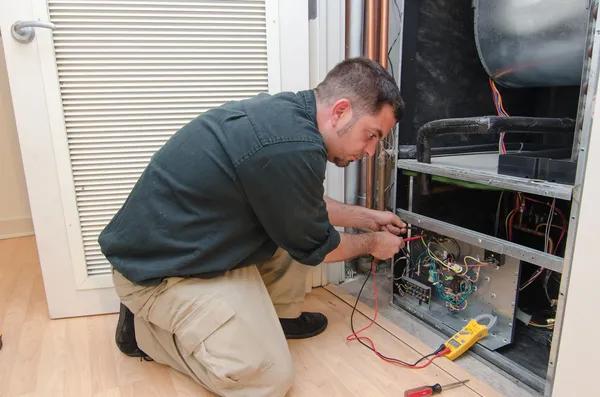
Selecting the right HVAC size requires a comprehensive evaluation of the building’s characteristics, including square footage, insulation quality, window placement, local climate, and occupancy patterns. HVAC professionals use detailed load calculations to determine the optimal system capacity, considering both heating and cooling needs. This approach ensures the equipment will operate efficiently, maintain comfortable temperatures, and regulate humidity effectively.
In conclusion, HVAC sizing plays a vital role in achieving energy-efficient operation and maintaining proper humidity levels indoors. Investing time and resources to select a correctly sized system results in enhanced comfort, reduced energy costs, and a healthier living or working environment. To explore tailored HVAC solutions that optimize energy use and humidity control, visit See Our Solutions and discover how expert sizing can transform your indoor climate management.