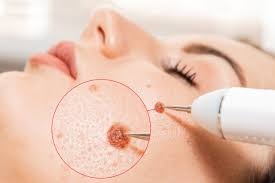
Mole removal is a common dermatological procedure that many individuals consider for both medical and cosmetic reasons. The question of pain associated with mole removal is often a primary concern for those contemplating the procedure. Understanding the potential discomfort involved can help in making an informed decision.
The level of pain experienced during mole removal largely depends on several factors, including the method used, the size and location of the mole, and individual pain tolerance. There are various techniques employed by dermatologists to remove moles, each with its own degree of discomfort.
One of the most common methods is surgical excision, where the mole is cut out using a scalpel after administering local anesthesia. Thanks to this anesthesia, patients generally feel minimal to no pain during the actual procedure. However, some may experience mild discomfort or pressure as the area becomes numb. Post-procedure soreness can occur as well but is typically manageable with over-the-counter pain relievers.
Another popular technique is laser removal. This method uses concentrated light beams to break down mole cells. While laser treatment might sound intimidating, it usually involves less physical contact than surgical methods and therefore tends to be less painful overall. Patients often report feeling a slight tingling or MoleRemovalAt Health Guide snapping sensation during treatment rather than actual pain.
Cryotherapy, which involves freezing off moles with liquid nitrogen, also has minimal discomfort levels associated with it. The cold temperature numbs the skin quickly; however, some people might feel a brief stinging sensation when applied.
Shave excision involves shaving off raised moles at skin level under local anesthesia similar to surgical excision but without stitches required afterward. Pain levels here are comparable to those experienced in surgical excisions—minimal during due process because of numbing agents but possible tenderness afterward.
It’s important not only how these procedures fare generally regarding comfortability but also considering personal thresholds towards such experiences since everyone perceives sensations differently based upon their unique physiology alongside psychological aspects influencing perceptions about what constitutes tolerable versus intolerable pains felt therein contextually speaking!
Moreover discussing concerns openly beforehand allows practitioners tailor approaches better suited accommodating sensitivities specific patients thereby enhancing overall satisfaction outcomes achieved post-operatively amidst addressing anxieties present preemptively through effective communication channels established between parties involved throughout journey embarked upon together collaboratively from start finish ensuring seamless transitions across stages encountered along way ultimately culminating successful resolutions desired goals set forth initially envisioned outset endeavor undertaken courageously bravely confidently optimistically eagerly willingly enthusiastically positively proactively constructively productively harmoniously amicably peacefully joyfully triumphantly victoriously happily healthily safely securely comfortably rest assuredly!