Understanding product labels and testing for hemp-derived cannabinoids is crucial in navigating the burgeoning market of cannabis-related products. As consumer interest in hemp-derived cannabinoids like CBD, CBG, and others continues to grow, so does the importance of being informed about what these products contain and how they are tested.
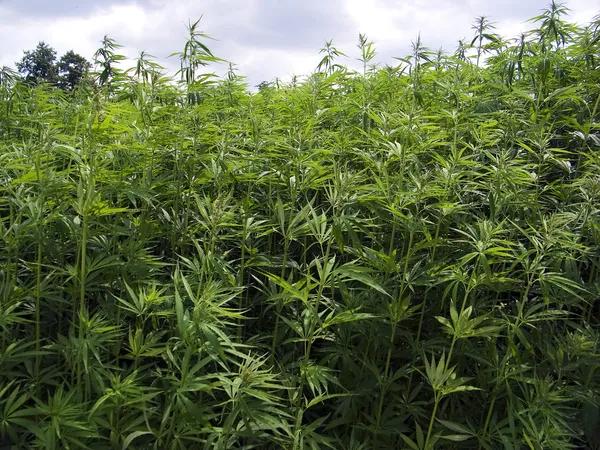
Hemp-derived cannabinoids are compounds extracted from the hemp plant, a variety of Cannabis sativa. Unlike marijuana, which contains high levels of THC (tetrahydrocannabinol), hemp typically contains only trace amounts of this psychoactive compound. Instead, it is rich in other cannabinoids such as cannabidiol (CBD), cannabigerol (CBG), and more than 100 other minor cannabinoids that offer various potential health benefits without causing intoxication.
When purchasing hemp-derived cannabinoid products, understanding the product label is paramount. Labels should provide clear information about the type and concentration of each cannabinoid present in the product. This includes not just CBD or CBG but also any other cannabinoids included in the formulation. A reliable product label will specify whether it contains full-spectrum extracts (which include a range of cannabinoids including small amounts of THC), broad-spectrum extracts (which contain multiple cannabinoids but no THC), or isolates (pure forms containing only one cannabinoid).
Moreover, consumers should look for evidence on labels regarding third-party testing. Reputable D8 Gas manufacturers often submit their products for independent laboratory analysis to verify purity and potency claims made on their labels. These lab tests can confirm that a product contains exactly what it advertises — no more and no less — ensuring quality control across batches.
Testing also plays a vital role in identifying contaminants such as pesticides, heavy metals, mold spores, or residual solvents that could pose health risks if consumed over time. A comprehensive Certificate of Analysis (COA) from an accredited lab provides detailed insights into both cannabinoid content and contaminant levels within each batch produced by reputable companies.
Despite increasing regulatory oversight globally around cannabis-related industries including those dealing with non-intoxicating substances like CBD derived from industrial-grade plants used primarily for fiber production purposes; there remains significant variation between different jurisdictions’ regulations governing these markets resulting sometimes confusing landscape consumers must navigate carefully when selecting suitable options meet individual needs preferences alike!
In conclusion: Being able decipher complex terminology frequently found upon packaging materials essential making informed decisions regarding purchases related specifically towards consumption potentially beneficial compounds naturally occurring within nature itself! By familiarizing oneself thoroughly beforehand through research diligence alone; anyone interested exploring exciting possibilities offered via use responsibly sourced ethically manufactured goods available today stands benefit greatly long term wellness journey ahead!