Commercial sinks are essential fixtures in various industries, designed to meet specific needs depending on their intended use. These sinks come in multiple types, each tailored to handle different tasks efficiently and maintain hygiene standards. Understanding the different commercial sink types and their uses can help businesses select the right equipment for their operations.
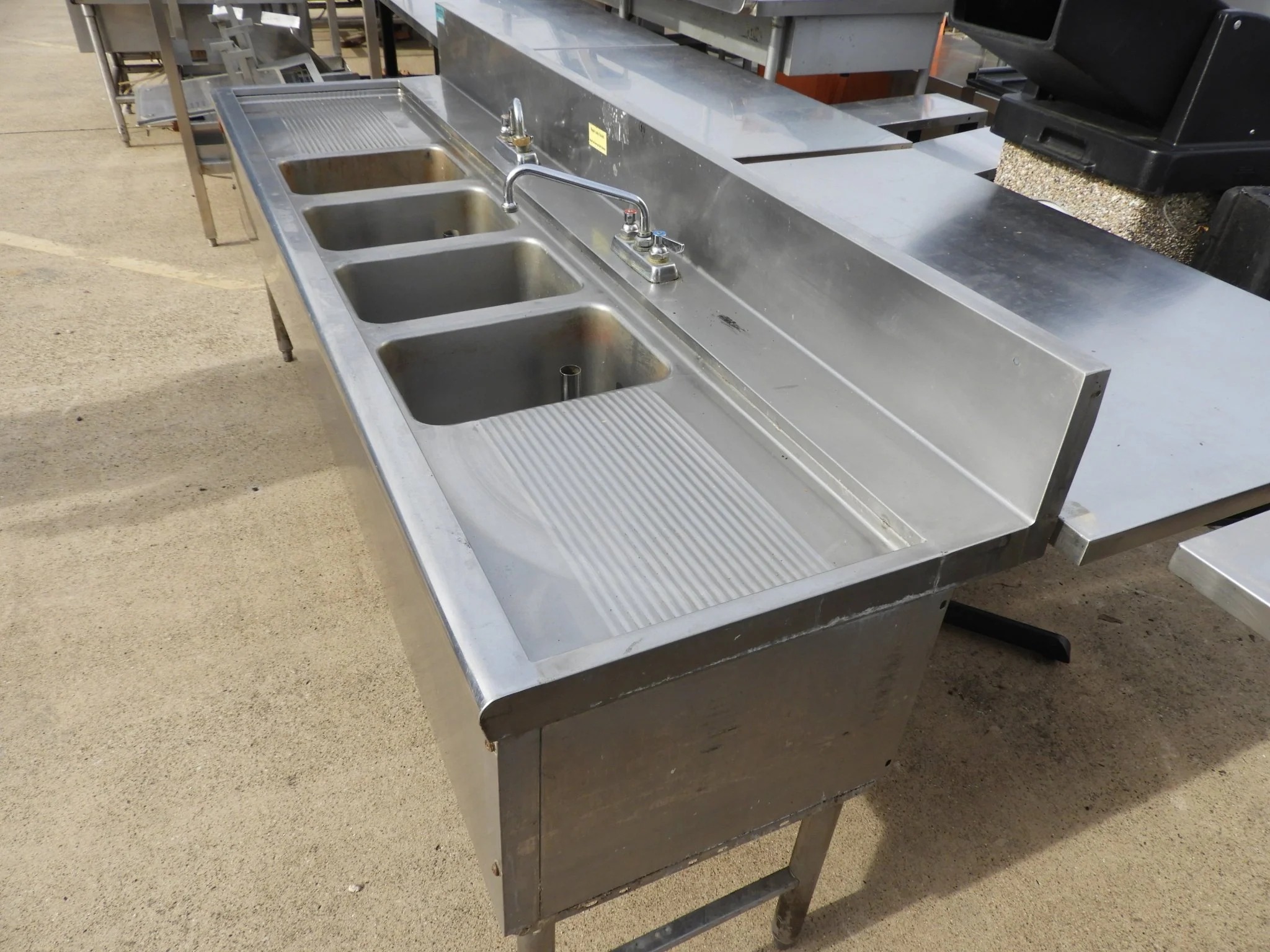
One of the most common types is the three-compartment sink, widely used in restaurants and food service establishments. This sink features three separate basins designated for washing, rinsing, and sanitizing dishes or utensils. The design ensures thorough cleaning by allowing a systematic process that meets health code requirements. It is indispensable in kitchens where large volumes of dishware need quick yet effective sanitation.
Another popular option is the handwashing sink, which is smaller than other commercial sinks but crucial for maintaining hygiene among staff members. These sinks are typically installed near food preparation areas or restrooms to encourage frequent handwashing, reducing contamination risks. They often include touchless faucets or foot pedals to minimize contact with surfaces that may harbor bacteria.
Mop sinks serve a different purpose altogether by providing a dedicated space for filling buckets and disposing of dirty water during cleaning routines. Found mainly in janitorial closets or maintenance rooms, mop sinks are deeper than standard models to accommodate larger volumes of liquid waste without splashing onto surrounding floors or walls. Their robust construction usually withstands harsh chemicals commonly used during facility maintenance.
Bar sinks cater specifically to beverage service environments such as bars or cafes where space might be limited but functionality remains critical. These compact units often include one or two basins designed for washing glassware quickly between customer orders while conserving water usage compared to larger kitchen sinks.
Utility sinks offer versatility across various commercial settings including laboratories, hospitals, and workshops where heavy-duty cleaning tasks occur regularly. Constructed from durable materials like stainless steel or epoxy resin, these sinks resist stains and corrosion while handling abrasive substances safely.
Some establishments require specialized equipment like vegetable prep sinks that feature deep bowls suitable for washing produce thoroughly before cooking or serving raw items like salads. These models sometimes incorporate drainboards on either side for added convenience when handling wet ingredients.
Choosing the appropriate Commercial Sink depends largely on operational demands such as volume capacity, frequency of use, available space, and compliance with local regulations regarding sanitation practices. Selecting an ill-suited model can lead to inefficiencies ranging from slower workflows to increased risk of cross-contamination among food products or tools handled within a workspace.
In conclusion, commercial sinks vary significantly based on function-from dishwashing stations ensuring cleanliness at scale to compact bar units facilitating rapid glass turnover-each type plays a vital role within its respective environment by promoting hygiene standards while supporting daily operational efficiency effectively tailored toward industry-specific requirements.