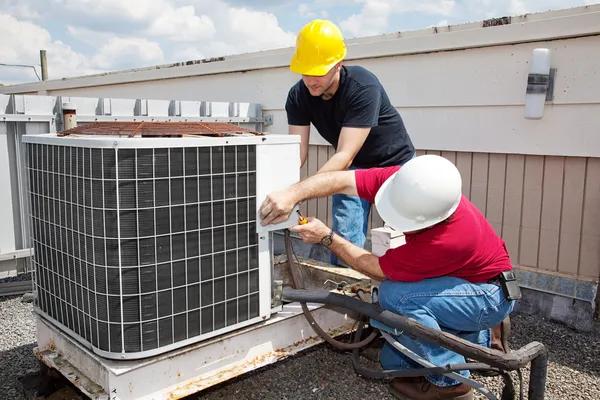
Regular inspections of heating and air conditioning systems are crucial in maintaining their efficiency and preventing unexpected equipment failures. These inspections serve as a proactive approach to identifying potential issues before they escalate into significant problems, ensuring that the systems function optimally throughout their lifespan.
One of the primary benefits of regular HVAC (heating, ventilation, and air conditioning) inspections is the early detection of wear and tear. Over time, components such as belts, filters, coils, and electrical connections can degrade or become dirty. During an inspection, technicians can identify these signs of deterioration early on. By addressing them promptly through cleaning or replacing parts as needed, homeowners can prevent more information severe damage that might lead to system breakdowns.
Moreover, regular maintenance helps in optimizing energy efficiency. Heating and cooling systems account for a substantial portion of household energy consumption. When these systems operate efficiently due to well-maintained components, they consume less energy while providing the same level of comfort. This not only reduces utility bills but also minimizes environmental impact by lowering overall energy usage.
Inspections also play a critical role in ensuring safety within homes or commercial spaces. Faulty HVAC systems can pose hazards such as carbon monoxide leaks from gas furnaces or electrical fires from malfunctioning wiring. Technicians conducting routine checks are trained to spot these dangers early on and take corrective measures immediately to safeguard occupants’ health and safety.
In addition to enhancing safety and efficiency, regular HVAC inspections extend the lifespan of equipment significantly. Heating and cooling units represent major investments; thus maximizing their longevity is financially prudent for property owners. Routine check-ups ensure that all components are functioning correctly without undue stress on any part which could lead to premature failure.
Furthermore, consistent maintenance records increase property value when it comes time for resale by demonstrating responsible ownership practices regarding home upkeep—a factor prospective buyers often consider seriously during purchasing decisions.
Lastly yet importantly is peace-of-mind knowing one’s living environment will remain comfortable regardless outside weather conditions because reliable climate control has been assured through diligent preventive care efforts undertaken regularly over years rather than dealing with inconvenient surprises like sudden breakdowns during peak seasons where repair services may be overwhelmed leading delays inconvenience potentially costly emergency service fees too!
In conclusion then: investing little upfront cost scheduling periodic professional evaluations pays dividends long run via reduced operational costs improved reliability enhanced occupant satisfaction ultimately contributing positively both financial bottom line ecological footprint alike making wise decision choose prioritize ongoing attention towards heating air conditioning needs today!