Regular inspection of septic tanks is essential for maintaining the health and functionality of residential wastewater systems. A thorough septic tank inspection helps identify potential problems early, preventing costly repairs and environmental hazards. When inspecting a residential septic tank, several key aspects must be carefully evaluated to ensure proper operation.
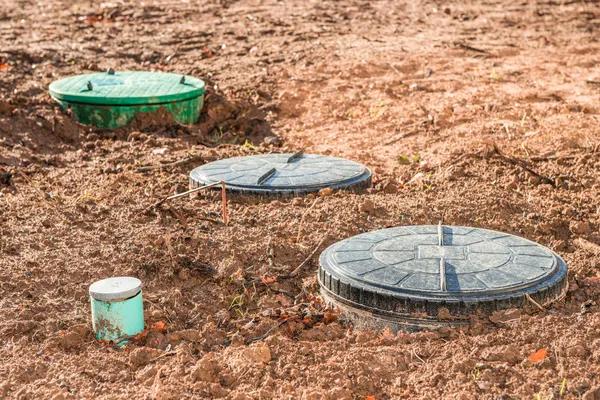
The first step in the inspection process involves locating the septic tank and its components. This includes identifying the access lids, distribution box, drain field area, and any visible pipes or baffles. Knowing the exact location allows for a comprehensive assessment without causing unnecessary damage to the property. Once located, inspectors should examine the condition of the access lids to ensure they are secure and not cracked or damaged, which could allow surface water infiltration or pose safety risks.
Septic tank inspection
Next, inspect inside the tank by opening it with appropriate tools while following safety protocols due to hazardous gases present in septic service for your property tanks. The inspector should measure sludge and scum levels using specialized equipment such as an extendable pole with a weighted device or a sludge judge tool. Excessive accumulation of solids indicates that pumping is necessary to prevent overflow into the drain field system.
The structural integrity of the tank itself must also be assessed during inspection. Check for cracks, corrosion, leaks, or signs of deterioration in concrete or plastic tanks that could compromise containment efficiency. Any damage found should be repaired promptly to avoid contamination issues.
Attention should then turn toward inlet and outlet pipes ensuring they are clear from blockages or damage that might disrupt wastewater flow between household plumbing and soil absorption areas. Observing how effluent flows through these pipes can reveal clogs or root intrusion problems affecting performance.
Evaluating drainage fields is another critical component of this checklist because saturated soil conditions often signal failure within this area. Inspectors look for pooling water on surface soils above leach lines along with unusual vegetation growth patterns caused by nutrient-rich effluent escaping prematurely from underground piping systems.
Additionally, monitoring electrical components like pumps if installed in advanced treatment systems forms part of routine inspections since malfunctioning mechanical parts can cause system backups leading to unpleasant odors indoors or outdoors.
Finally, reviewing maintenance records provides insight into previous service history including frequency of pumping events which aids in predicting future needs based on usage trends specific to each household size and waste generation rate.
A well-executed septic tank inspection combines visual examination techniques with practical measurements aimed at preserving system longevity while protecting public health through safe wastewater management practices tailored specifically for residential properties’ unique requirements throughout their operational lifespan.
Gray Septic Solutions
Savannah, GA 31405
912-661-4089