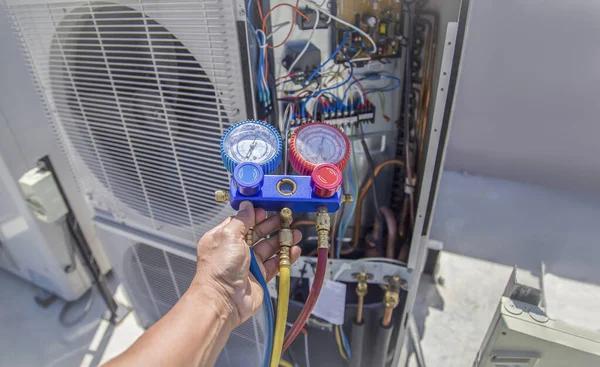
When considering the installation of a new HVAC system, understanding the factors that influence costs can help homeowners make informed decisions. The price of an HVAC installation is not uniform and can vary significantly depending on several key details.
Firstly, the size and capacity of the HVAC unit are crucial determinants of cost. Larger homes typically require more powerful systems to ensure efficient heating and cooling throughout the space. This means that both the equipment itself and its installation will be more expensive for larger or multi-story homes compared to smaller residences. Proper sizing is essential; an undersized unit will struggle to maintain comfort levels, while an oversized one may lead to inefficiency and increased utility bills.
browse the site type of HVAC system selected also plays a significant role in determining costs. There are various types available, including central air conditioners, heat pumps, ductless mini-splits, and packaged systems. Each comes with its own set of advantages and price points. For instance, ductless systems might be more costly upfront but offer flexibility in zoning different areas within a home without requiring extensive ductwork.
Another factor influencing cost is the energy efficiency rating of the chosen system. High-efficiency units often come with higher initial expenses but provide long-term savings through reduced energy consumption. Systems with higher SEER (Seasonal Energy Efficiency Ratio) ratings or those labeled as ENERGY STAR certified tend to have greater upfront costs but promise lower operational expenses over time.
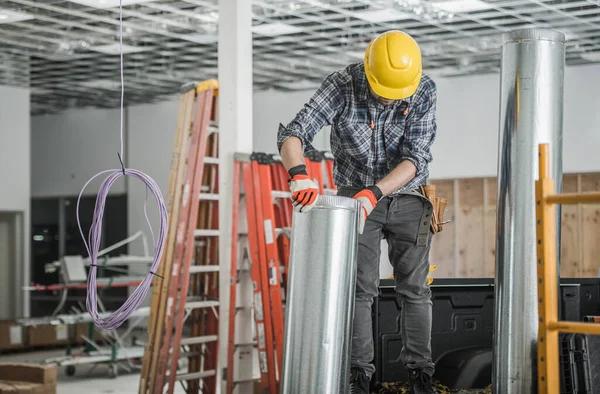
Installation complexity is another aspect affecting overall costs. Homes lacking existing ductwork will incur additional expenses if ducts need to be installed from scratch—this process involves labor-intensive work such as cutting through walls or ceilings and ensuring proper insulation throughout the network to prevent energy loss.
Geographical location also impacts pricing due to variations in climate conditions and local market rates for labor and materials. In regions with extreme temperatures, demand for robust systems might drive up prices compared to areas with milder climates where simpler solutions suffice.
Moreover, labor charges constitute a significant portion of installation expenses. The expertise required for proper setup ensures safety standards are met while optimizing performance efficiency; thus hiring reputable professionals who guarantee quality workmanship might result in higher fees but ultimately proves worthwhile by avoiding future repair issues stemming from poor installations initially done cheaply.