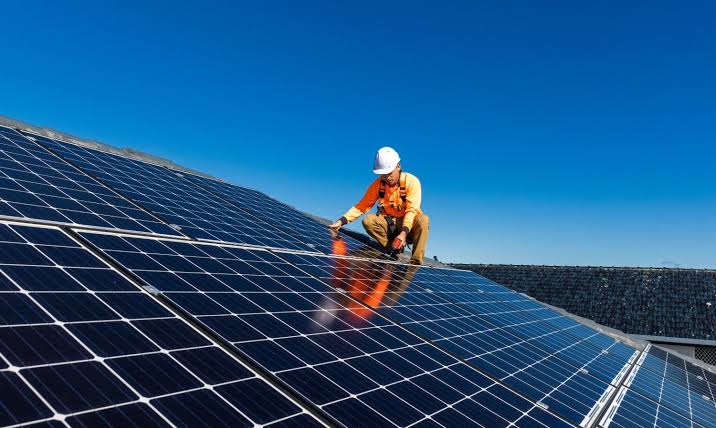
Reducing electricity bills is a common concern for many households and businesses, particularly as energy costs continue to rise. One increasingly popular solution involves the use of panouri fotovoltaice systems, or photovoltaic panels, which harness solar energy to generate electricity. These systems offer a sustainable and environmentally friendly way to decrease reliance on traditional power sources while also cutting down on utility expenses.
Photovoltaic panels convert sunlight directly into electricity using semiconductors that exhibit the photovoltaic effect. When sunlight strikes these semiconductors, it excites electrons, creating an electric current. This clean energy can then be used immediately or stored in batteries for later use. By integrating these systems into homes or businesses, individuals can significantly reduce their dependence on grid-supplied electricity.
One of the smartest ways to leverage photovoltaic systems is by conducting a thorough assessment of your energy needs before installation. Understanding your current usage patterns will help determine the size and capacity required for an effective system. A professional audit can provide insights into peak consumption times and identify areas where efficiency improvements are possible even before adding solar capabilities.
Once you have assessed your needs, consider optimizing your home’s energy efficiency as part of a comprehensive approach to reducing bills. Simple panouri fotovoltaice measures such as improving insulation, upgrading windows, using LED lighting instead of incandescent bulbs, and investing in Energy Star-rated appliances can lower overall demand significantly. By minimizing wasteful consumption first, you maximize the effectiveness of any solar panel system installed.
Placement and orientation are crucial factors in maximizing the output from photovoltaic panels. Ideally positioned at angles that capture maximum sunlight exposure throughout the day—typically facing south in northern hemisphere locations—these installations ensure optimal performance year-round without obstructions like trees or buildings casting shadows across them during daylight hours.