Indoor structures often hide unwanted growth in areas rarely noticed during routine checks. Walls, cavities, and sealed zones allow gradual development without immediate visual signals. Property owners often choose to Visit Website pages that explain concealed inspection coverage clearly. Focused inspection services concentrate on these hidden sections, improving clarity around conditions that remain unseen for long periods.
What Do Concealed Inspections Actually Uncover?
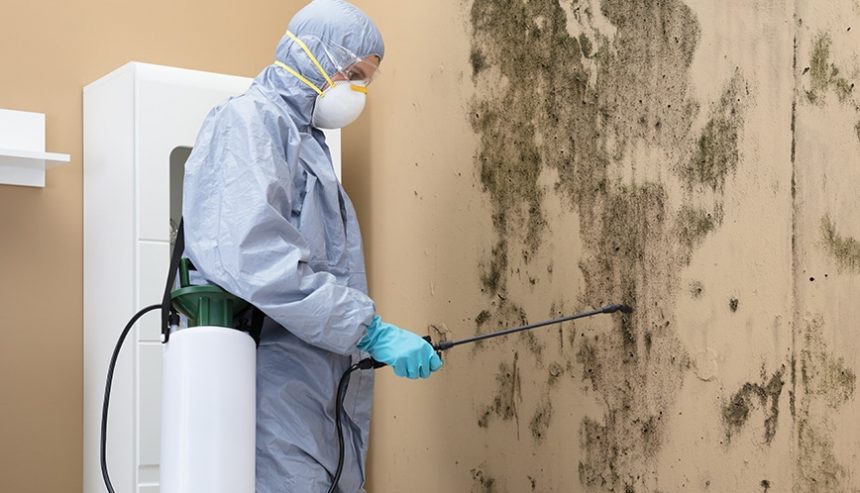
Concealed inspections uncover buildup forming behind surfaces, inside structural cavities, and within sealed construction sections. These evaluations focus on locations inaccessible through casual observation, revealing conditions that influence surrounding materials quietly. By tracing concealed developments, specialists identify sources that would otherwise remain undetected, helping property owners understand what exists beyond visible boundaries.
Hidden Zones Demand Technical Precision
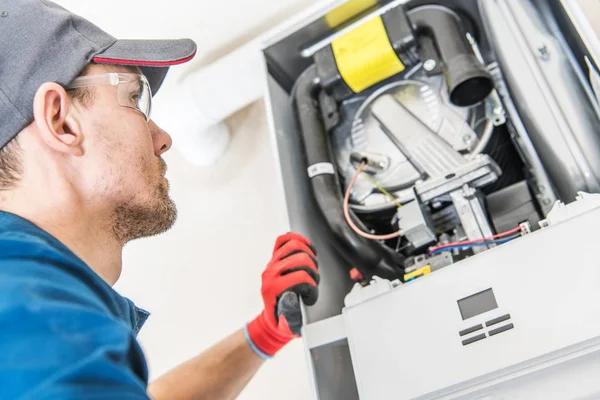
Specialized inspections rely on precise approaches designed for restricted access environments. Each concealed section requires careful planning to avoid unnecessary surface disruption while still achieving accurate findings.
Structural Cavities Assessment
- Wall voids inspected with controlled access
- Ceiling gaps reviewed using targeted openings
- Support frames checked without surface removal
Enclosed Moisture Pathways
- Plumbing chases reviewed behind barriers
- Drain routes evaluated through sealed sections
- Vent corridors inspected without visible exposure
These focused efforts reduce the likelihood of missed sections during evaluations. Precision-driven methods allow accurate identification without disturbing intact structural elements.
Why Do Overlooked Areas Matter Most?
Overlooked areas quietly influence surrounding conditions over extended periods without obvious warning signs. When ignored, these sections often contribute to wider structural concerns that surface much later. Addressing concealed zones early helps prevent escalation and gives property owners clearer insight into hidden contributors affecting interior spaces.
Methods That Reach Beyond Surfaces
Advanced inspection techniques extend beyond visible surfaces to examine concealed zones thoroughly. These methods allow evaluators to access restricted spaces with minimal interference while maintaining assessment accuracy.
Non-Invasive Detection Tools
- Thermal readings reveal hidden irregularities
- Optical probes explore narrow interior spaces
- Surface scans indicate concealed inconsistencies
Targeted Sampling Approaches
- Enclosed sections sampled through small access points
- Internal cavities reviewed without broad exposure
- Controlled collection ensures accurate internal assessment
Inspection clarity improves when clients Visit Website sections outlining concealed access methods. Clear understanding of these approaches strengthens confidence in evaluation results and inspection decisions.
Should Property Owners Act Early?
Yes, acting early limits the chance of concealed expansion within enclosed areas. Timely inspections reduce uncertainty and prevent hidden conditions from remaining unnoticed for extended periods. Property owners gain clearer understanding before visible indicators appear, supporting more confident planning and informed property decisions.
Clear Visibility Shapes Confident Property Choices
Understanding concealed areas changes how properties are evaluated and managed. Clear findings remove uncertainty tied to hidden sections that influence long-term outcomes. When visibility improves, decisions regarding upkeep, planning, and future use become more grounded, allowing property owners to move forward with greater assurance.