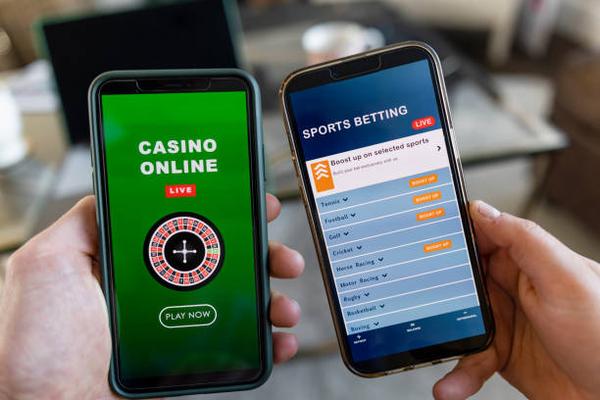
In recent years, the gaming industry has witnessed a significant transformation with the rise of modern real money gaming platforms. These platforms have revolutionized how players engage with games by integrating real financial stakes into digital entertainment. Unlike traditional video games that focus primarily on skill, storylines, or casual play, real money gaming platforms allow users to place bets or wagers and potentially earn actual monetary rewards. This fusion of gaming and gambling has created new opportunities and challenges within the broader entertainment landscape.
One of the key factors driving the growth of these platforms is technological advancement. The widespread availability of high-speed internet, powerful smartphones, and sophisticated software development tools has made it easier than ever for companies to create seamless online environments where players can compete for cash prizes in real-time. Additionally, improvements in cybersecurity measures have helped build trust among users who might otherwise be wary about sharing sensitive financial information online. As a result, more individuals feel comfortable participating in these virtual arenas where their skills or luck can translate directly into tangible earnings.
Another important element contributing to this rise is changing consumer behavior and preferences. Modern gamers are increasingly seeking experiences that combine excitement with potential financial casino en ligne gain rather than purely recreational activities without any monetary incentive. Real money gaming offers an adrenaline rush similar to traditional gambling but within familiar digital formats such as card games, sports betting apps, fantasy leagues, eSports competitions, and even skill-based contests like trivia or puzzle-solving tournaments. This blend appeals especially to younger demographics who grew up playing video games but also appreciate elements of competition found in betting scenarios.
Moreover, regulatory developments across various jurisdictions have played a crucial role in legitimizing these platforms while ensuring player protection through licensing requirements and fair play standards. Governments worldwide are recognizing that outright bans on online gambling often drive activity underground rather than eliminating it completely; hence many opt instead for regulated frameworks that generate tax revenue while safeguarding consumers from fraudulent operators or addictive behaviors. Legal clarity encourages reputable businesses to enter the market confidently knowing they comply with local laws designed to foster transparency and accountability.
The economic impact of modern real money gaming cannot be overstated either. This sector generates substantial revenues not only for platform operators but also for associated industries such as payment processors, advertising agencies targeting niche audiences, game developers specializing in monetizable content creation models like microtransactions linked to wagering features; furthermore it creates jobs ranging from customer support specialists knowledgeable about compliance issues to data analysts optimizing user engagement strategies based on behavioral insights derived from gameplay patterns combined with betting trends.
However there remain concerns related to responsible gambling practices given that mixing entertainment with actual financial risk may lead some participants down problematic paths including addiction or significant personal losses if not properly managed through built-in safeguards like deposit limits self-exclusion options educational resources promoting awareness around risks involved alongside monitoring mechanisms powered by artificial intelligence detecting unusual betting behaviors early enough before harm escalates beyond control.
Despite these challenges ongoing innovation continues apace especially fueled by emerging technologies such as blockchain which promises enhanced transparency via decentralized ledgers recording every transaction immutably thus reducing fraud potential while enabling instant payouts without intermediaries slowing processes down additionally integration between live streaming services allowing influencers’ direct involvement enhances community building making participation more socially engaging thereby increasing retention rates among users keen on both social interaction plus competitive thrill simultaneously creating hybrid ecosystems blending social media dynamics seamlessly into monetized gameplay experiences further expanding appeal beyond conventional gamer bases attracting casual bettors curious about new forms entertainment involving chance mixed skill sets alike.
In conclusion modern real money gaming platforms represent a dynamic intersection between technology finance regulation culture reshaping how people perceive leisure activities incorporating economic incentives directly into gameplay structures driven by evolving consumer demands supported by robust legal frameworks fostering safer environments while stimulating economic growth globally although vigilance remains necessary addressing ethical considerations ensuring balanced approach mitigating risks inherent when fun meets finance ultimately paving way towards future innovations redefining interactive entertainment paradigms forevermore through continuous adaptation responsiveness meeting ever-changing societal expectations around digital engagement coupled responsibility encouraging sustainable enjoyment benefiting all stakeholders involved across this rapidly expanding frontier bridging worlds traditionally separated: play and profit now intertwined intricately forming new norms shaping tomorrow’s digital playgrounds today.