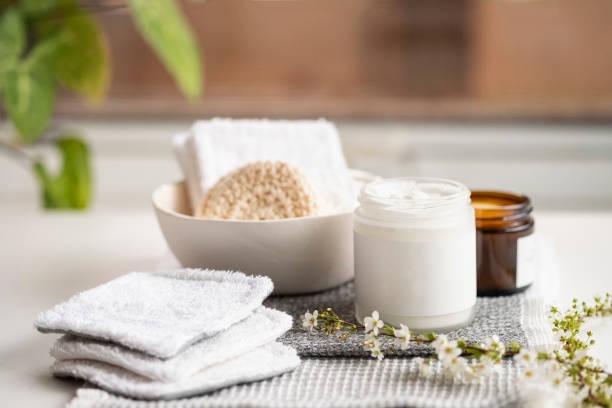
In recent years, the demand for organic skin products has surged as more individuals seek natural alternatives to nourish and care for their skin. These products, free from synthetic chemicals and artificial additives, offer a gentle yet effective means of maintaining healthy and radiant skin. Among the myriad options available, several standout choices have garnered attention for their exceptional ability to nurture the skin naturally.
One such product is organic rosehip oil. Known for its high concentration of essential fatty acids and vitamins A and C, rosehip oil works wonders in rejuvenating the skin. It is renowned for its ability to reduce scars, fine lines, and hyperpigmentation while promoting an even complexion. Its lightweight texture ensures it absorbs quickly without leaving a greasy residue, making it suitable click for more information all skin types.
Another popular choice is aloe vera gel. Celebrated for its soothing properties, aloe vera gel provides instant relief to irritated or sunburned skin. Rich in antioxidants and enzymes, it hydrates deeply while promoting healing at the cellular level. Regular use can help maintain moisture balance and improve overall skin elasticity.
For those seeking exfoliation with a gentle touch, organic sugar scrubs are an excellent option. Made from natural ingredients like brown sugar and coconut oil, these scrubs effectively remove dead skin cells without causing irritation or dryness. The result is smoother, brighter skin that feels soft to the touch.
Shea butter stands out as a powerhouse moisturizer among organic products due to its rich blend of vitamins E and A along with essential fatty acids that penetrate deeply into the dermis layer providing intense hydration throughout day-long periods when applied regularly onto clean dry areas needing extra nourishment such as elbows knees heels etcetera thereby helping prevent cracking flaking rough patches forming over time especially during colder months where environmental factors exacerbate dryness issues significantly more than usual seasonal changes alone might cause otherwise under different circumstances entirely altogether instead perhaps possibly maybe potentially who knows really?