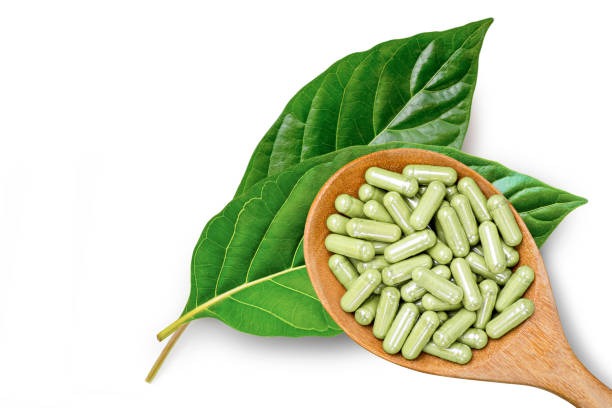
The online sales landscape for kratom is evolving rapidly, influenced by several key trends that are shaping its future. As consumer demand grows, the industry is becoming more sophisticated and regulated, driving changes in how kratom products are marketed, sold, and delivered. One of the most significant developments is the increasing emphasis on quality assurance and transparency. Buyers today expect detailed product information, including lab test results verifying purity and potency. This shift reflects a broader consumer trend toward health-conscious purchasing decisions and has encouraged vendors to adopt rigorous testing protocols to build trust.
Another important trend is the rise of e-commerce platforms specializing exclusively in botanical supplements like kratom. These niche marketplaces offer curated selections with comprehensive educational resources to help consumers make informed choices. By focusing solely on botanicals, these platforms can provide tailored customer service and create communities around shared interests in natural wellness products. This specialization contrasts with general online marketplaces where kratom may face restrictions or limited visibility due to regulatory concerns.
Regulatory scrutiny continues to influence kratom online sales significantly. While federal regulations remain complex and vary by region, many sellers proactively comply with state laws and industry standards to avoid legal challenges. This proactive approach includes clear labeling practices, age verification systems during purchase processes, and adherence to marketing guidelines that prevent unsubstantiated health claims. The result is a more professionalized market environment where responsible businesses stand out from less reputable operators.
Technology also plays a crucial role in transforming how kratom reaches consumers online. Enhanced logistics solutions enable faster shipping times while maintaining product integrity through improved packaging methods designed to preserve freshness during transit. Additionally, digital payment processors have adapted their policies concerning high-risk products like kratom, allowing smoother transaction experiences for both buyers and sellers without compromising security.
Social media remains a powerful tool for education and community building within the kratom space despite advertising restrictions on some platforms. Influencers who focus on natural health remedies often share personal experiences with kratom alongside safety tips or usage guidelines that resonate well with potential customers seeking trustworthy information outside traditional advertising channels.
Sustainability concerns are also beginning to shape sourcing practices as environmentally conscious consumers demand ethically harvested kratom produced under fair labor conditions. Vendors responding to this demand highlight their commitment through transparent supply chains which appeal not only from an ethical standpoint but also add value perceived by discerning buyers looking beyond price alone.
Overall, the future of online kratom sales will be defined by increased professionalism driven by quality control measures, regulatory compliance efforts, technological advancements in distribution networks, strategic marketing approaches focused on education rather than promotion alone, social media engagement fostering genuine community connections around safe use practices combined with growing attention toward sustainable sourcing standards reflecting evolving consumer values worldwide.