Static pressure plays a crucial role in the performance and maintenance of HVAC systems, affecting everything from energy efficiency to system longevity. Understanding how static pressure impacts these systems can lead to more effective repairs and improved overall performance.
At its core, static pressure is the resistance to airflow within an HVAC system’s ductwork. It is analogous to blood pressure in the human body; just as high or low blood pressure can indicate health issues, abnormal static pressures can signal potential problems within an HVAC system. Properly balanced static pressure ensures that air flows efficiently through ducts, delivering optimal heating or cooling throughout a building.
When static pressure is too high, it often indicates blockages or restrictions within the ductwork. These could be due to dirty filters, undersized ducts, closed dampers, or obstructions like debris and dust buildup. High static pressure forces the blower motor to work harder than necessary to push air through the system. This extra strain not only increases energy consumption but also accelerates wear and tear on components such as motors and fans, potentially leading to more frequent repairs.
Conversely, low static pressure might suggest leaks in the ductwork or oversized ducts that allow air to escape before reaching its intended destination. This results in uneven temperature distribution across different areas of a building—some rooms may be too warm while others remain cool—leading occupants to adjust thermostats frequently and inadvertently increase energy usage.
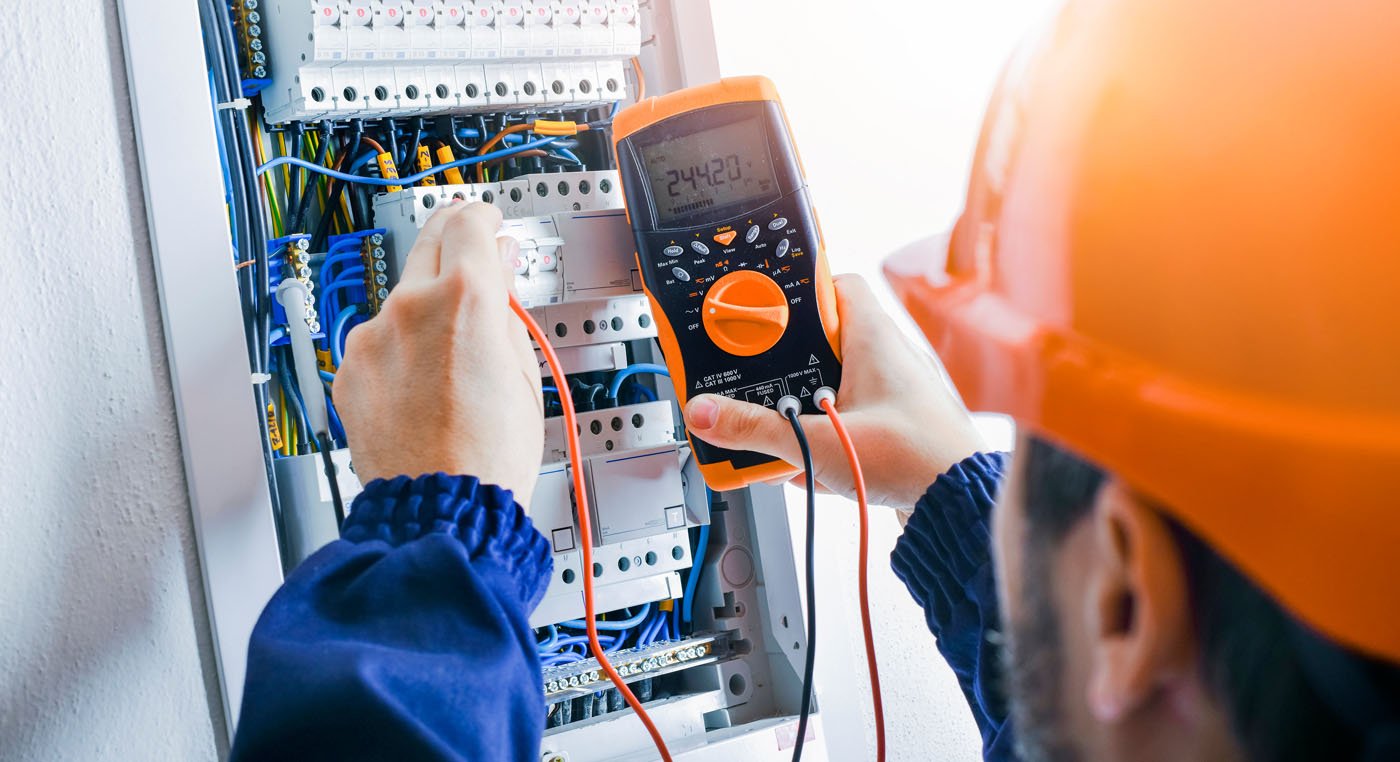
Regular monitoring of static pressure can help identify issues early on before they escalate into costly repairs or replacements. Technicians use specialized tools like manometers and digital gauges during routine maintenance checks to measure this vital parameter accurately. By comparing measured values against manufacturer specifications for specific Bellevue HVAC Services models, technicians can pinpoint discrepancies indicative of underlying problems.
Improving an HVAC system’s design based on accurate readings can enhance both comfort levels inside buildings and operational efficiency over time. For instance, replacing restrictive filters with higher-efficiency ones allows smoother airflow without compromising indoor air quality standards set by regulatory bodies such as ASHRAE (American Society of Heating Refrigerating Air-Conditioning Engineers).