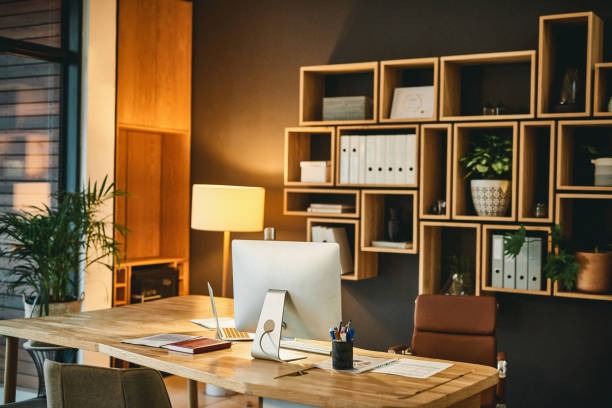
In the ever-evolving landscape of office environments, staying updated with the latest furniture trends is crucial for businesses aiming to enhance productivity, employee satisfaction, and overall workplace aesthetics. The modern office is no longer just a place where work gets done; it’s an environment that reflects company culture and values. Here are some key office furniture trends every business should be aware of.
One significant trend is the shift towards ergonomic design. As awareness grows about the health implications of long hours spent at desks, there has been an increased focus on creating workspaces that promote physical well-being. Ergonomic chairs and adjustable standing desks are becoming staples in offices worldwide. These pieces not only help reduce strain-related injuries but also improve posture and comfort, leading to increased productivity.
Sustainability is another critical trend influencing office furniture choices. Businesses are increasingly opting for eco-friendly materials like bamboo or recycled metal and plastic in their furnishings. This move towards sustainability not only helps reduce environmental impact but also aligns with explore the full story values of environmentally conscious employees and clients.
The rise of remote work has also impacted office furniture trends significantly. With more companies adopting hybrid models, there’s a growing need for versatile furniture that can adapt to different settings. Modular furniture solutions are gaining popularity as they allow spaces to be reconfigured easily according to changing needs without requiring new purchases.
Aesthetic flexibility is equally important in modern offices as businesses strive for spaces that inspire creativity while maintaining professionalism. Neutral color palettes combined with bold accent pieces create a balanced visual appeal that can cater to diverse tastes while fostering an inviting atmosphere.
Technology integration within office furniture is another emerging trend driven by our increasingly digital world. Desks equipped with built-in charging ports or wireless charging pads keep devices powered throughout the day without cluttering workspace with cables, enhancing both functionality and aesthetics.
Collaborative spaces have become essential components within offices today due to their role in fostering teamwork and innovation among employees from various departments or disciplines who come together regularly on projects requiring collective input rather than individual effort alone (e.g., brainstorming sessions). Consequently, open-plan layouts featuring communal tables alongside private nooks offer flexible options catering effectively across varying tasks needing completion during any given day at work – whether collaborative meetings involving multiple participants simultaneously working toward common goals collectively achieved through shared efforts put forth collaboratively amongst themselves altogether therein present here now today indeed!